
Marketplace as the next layer
on red.bg
red.bg starts with your own online stores, catalog and channels, and the marketplace direction uses the same foundation to provide more visibility and new sales opportunities.
1
central catalog
4
stages toward marketplace
0
duplicated catalogs
Not a separate project, but an additional channel
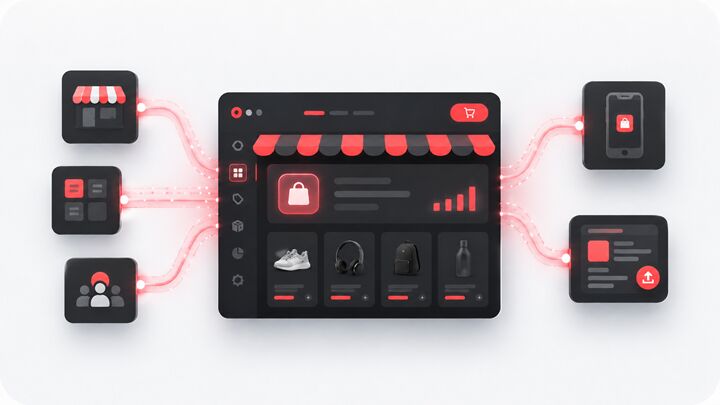
Marketplace functionality builds on the store, catalog, products, orders and channels the merchant already manages in red.bg.
- First your own store, domain, design and checkout
- Then catalog, variants, attributes and content
- Then feeds, external channels and advertising directions
- Marketplace layer when the foundation is stable enough


What the marketplace direction will bring
It adds a new channel for discovery and sales without the merchant having to maintain a separate catalog for each direction.
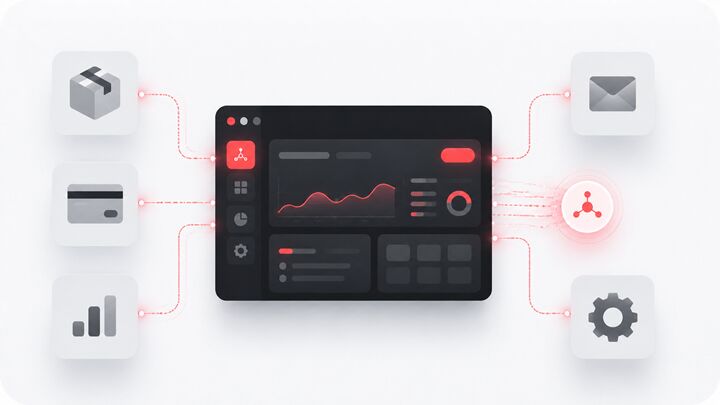
More visibility
Products can be discovered in a shared ecosystem, not just in the individual store.
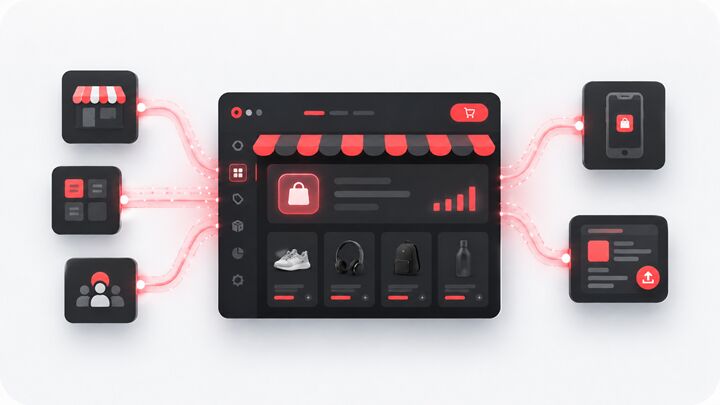
One catalog
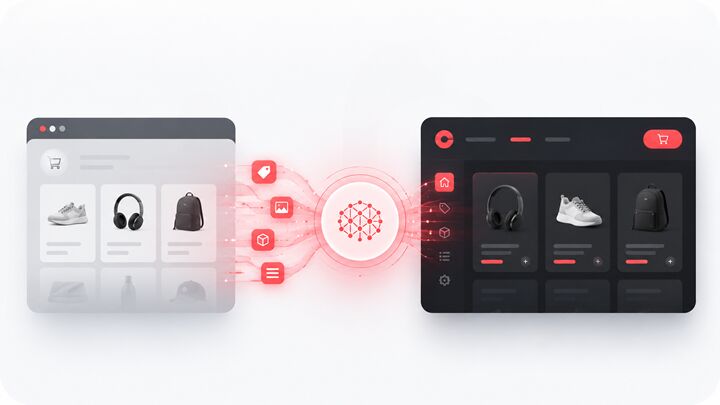
Categories, variants, images and content are managed centrally and used across different channels.
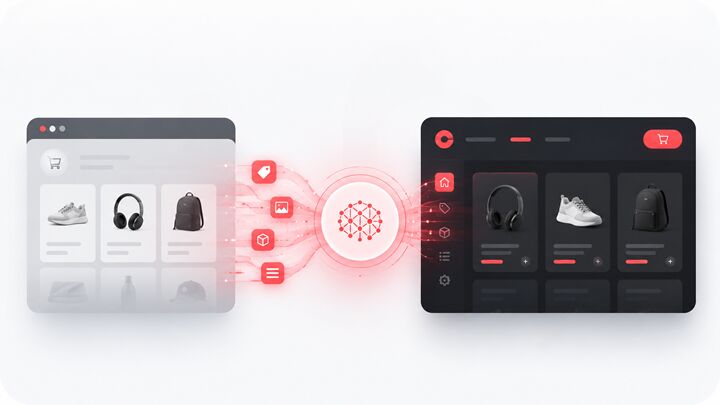
Operational foundation
The marketplace layer makes sense when orders, customers and processes are already organized.
More channels
The same product structure can power the storefront, feeds, ads and a future marketplace.
Stronger discovery layer
The marketplace direction helps products be compared, filtered and found more easily.

Ecosystem
Brands, distributors, services and merchants can grow on a shared commerce infrastructure.
Marketplace comes after a stable foundation
This is a product direction, not a promise of a completed marketplace today. The focus is first on the system that makes such a layer useful.
Step 1
Own store
The merchant starts with a storefront, domain, design, checkout and first working sales processes.
- brand and storefront
- pages and categories
- checkout foundation
Step 2
Catalog
Products are organized with variants, attributes, images, content and a clear structure.
- single source of data
- channel readiness
- less manual duplication
Step 3
Channels
The same catalog can be used for feeds, marketing, external platforms and partner directions.
- feeds and ads
- external marketplaces
- social channels
Step 4
Marketplace
An additional layer for product discovery, shared visibility and new sales built on the existing foundation.
- more discoverability
- shared commerce ecosystem
- new channel for merchants
Step 5
Commerce ecosystem
The long-term direction is a platform where stores, services, channels and partners work together.
- partner network
- integrations
- shared infrastructure


Prepare your store for
more than one channel
Start with a catalog and storefront, and the structure will stay ready for feeds, integrations and a future marketplace layer.